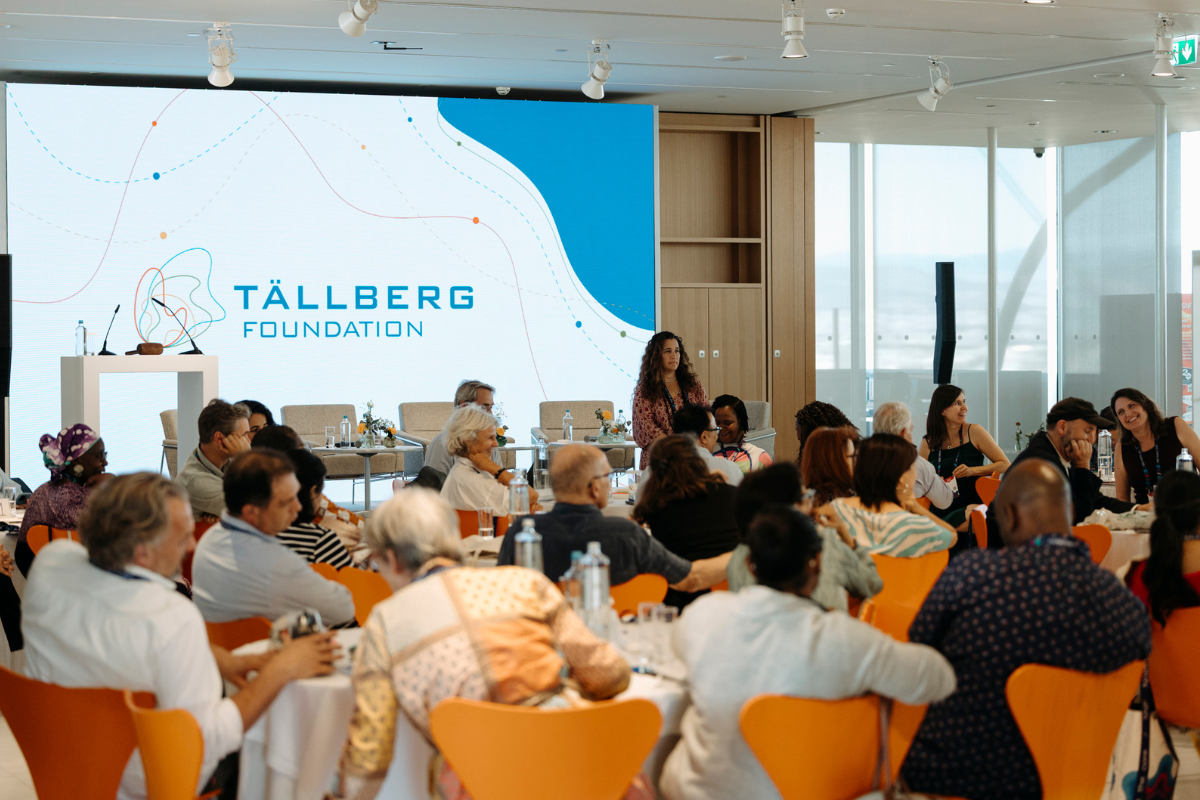
From June 25–28, the Tällberg Foundation convened members of its global network in Athens for Tällberg @ Nostos, held alongside SNF Nostos 2026 — a conference marking the Stavros Niarchos Foundation’s 30th anniversary, hosted at the Stavros Niarchos Foundation Cultural Center. The gathering brought together participants from the global Tällberg network, including past winners of the Tällberg-SNF-Eliasson Global Leadership Prize, to think together about the world we’re likely to inhabit a decade from now — and what kind of leadership and governance it will demand.
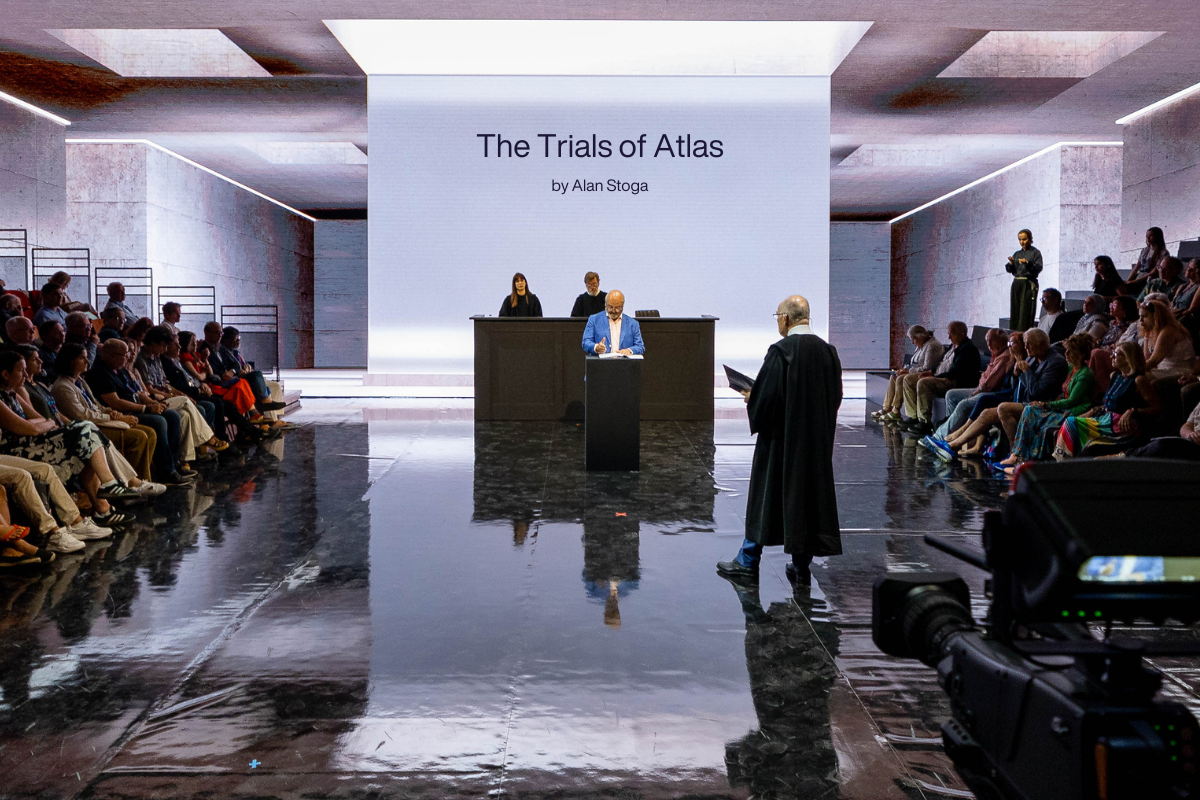
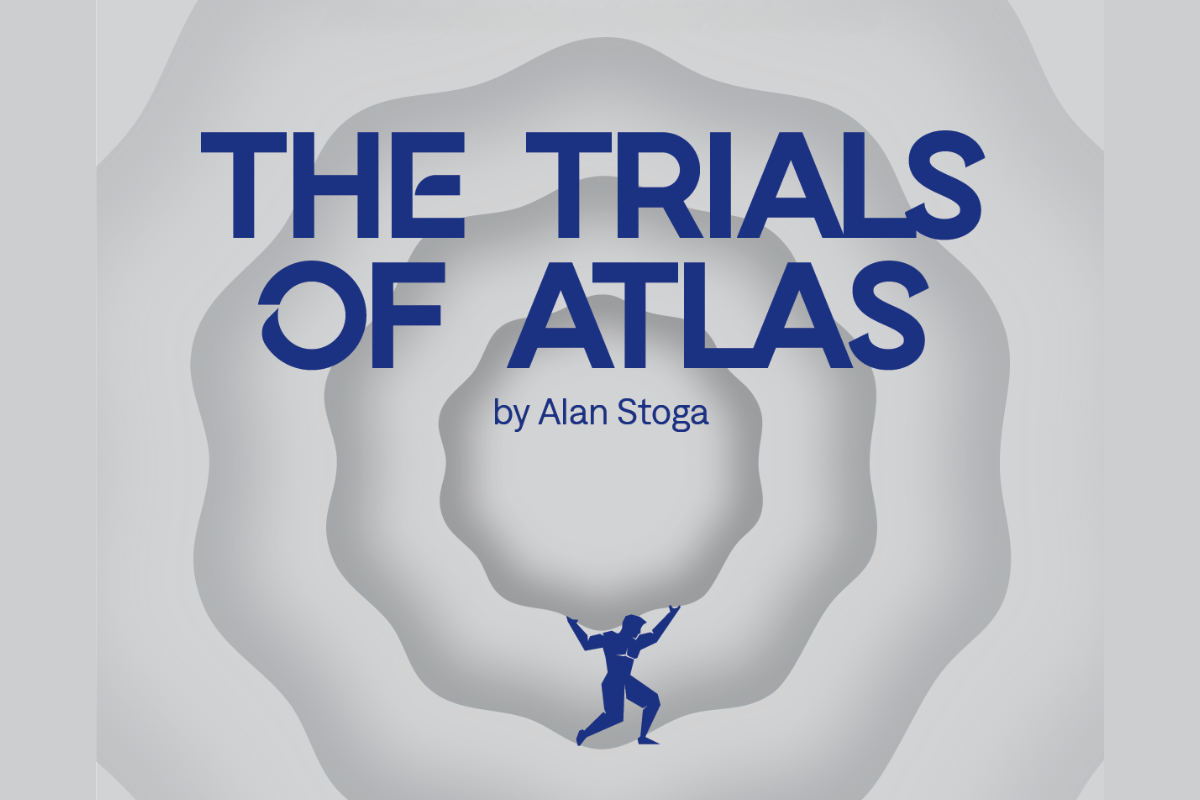
The question of AI’s place in that future world was explored through a staged reading of a new play, The Trials of Atlas, written by Alan Stoga, in which an AI agent stands trial for killing the engineers who created it. The audience served as jury, weighing questions of motive, means, and intent as AI systems take on greater autonomy — questions that carried directly into the workshop’s broader governance discussions.
At the heart of the workshop was the question that shaped everything that followed: what will the world actually look like in 2036 — not the world we’d like, but the one we’re more likely to get? A handful of plausible, distinct scenarios for where climate, technology, conflict, and governance might be heading over the next decade set the frame for the entire workshop. Those scenarios became the throughline for the rest of the weekend, returning again and again as participants asked what kind of leadership and institutions each one would demand. In breakout groups, participants stress-tested governance itself against a defined set of shocks and worked through not just how governance would respond in the moment, but what would become necessary, possible, and impossible as the crisis persisted.
Along with the Stavros Niarchos Foundation (SNF), Tällberg also celebrated the winners of the 2025 Tällberg-SNF-Eliasson Global Leadership Prize: Rhett Ayers Butler, honored for redefining global environmental journalism through Mongabay; Bryan Doerries, honored for harnessing ancient stories to heal modern trauma through Theater of War Productions; and David Gruber, honored for combining science and technology to decipher the language of whales through Project CETI. Their work — spanning journalism, culture, and science — reflected the kind of innovative, courageous leadership the workshop set out to explore.