
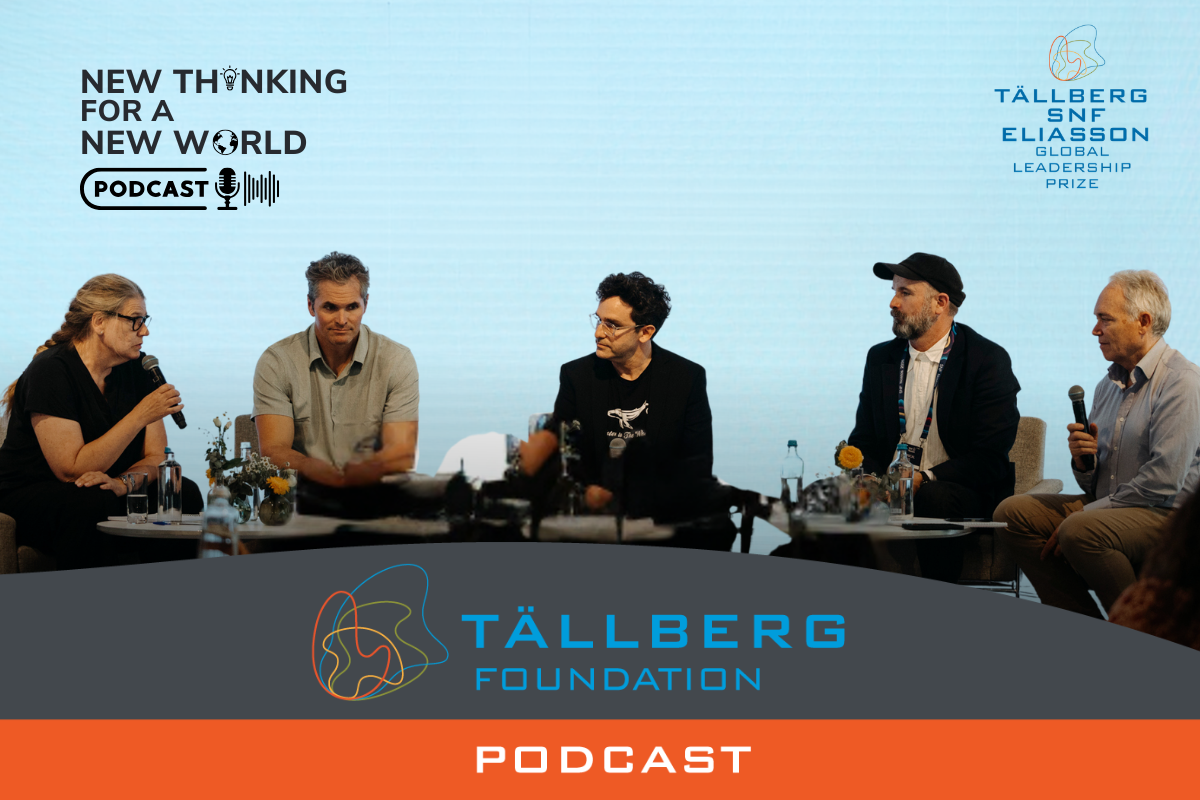
In late June, the Tällberg Foundation joined the Stavros Niarchos Foundation (SNF) in Athens to celebrate the winners of the 2025 Tällberg-SNF-Eliasson Global Leadership Prize as part of SNF’s week-long, 30th anniversary celebration.
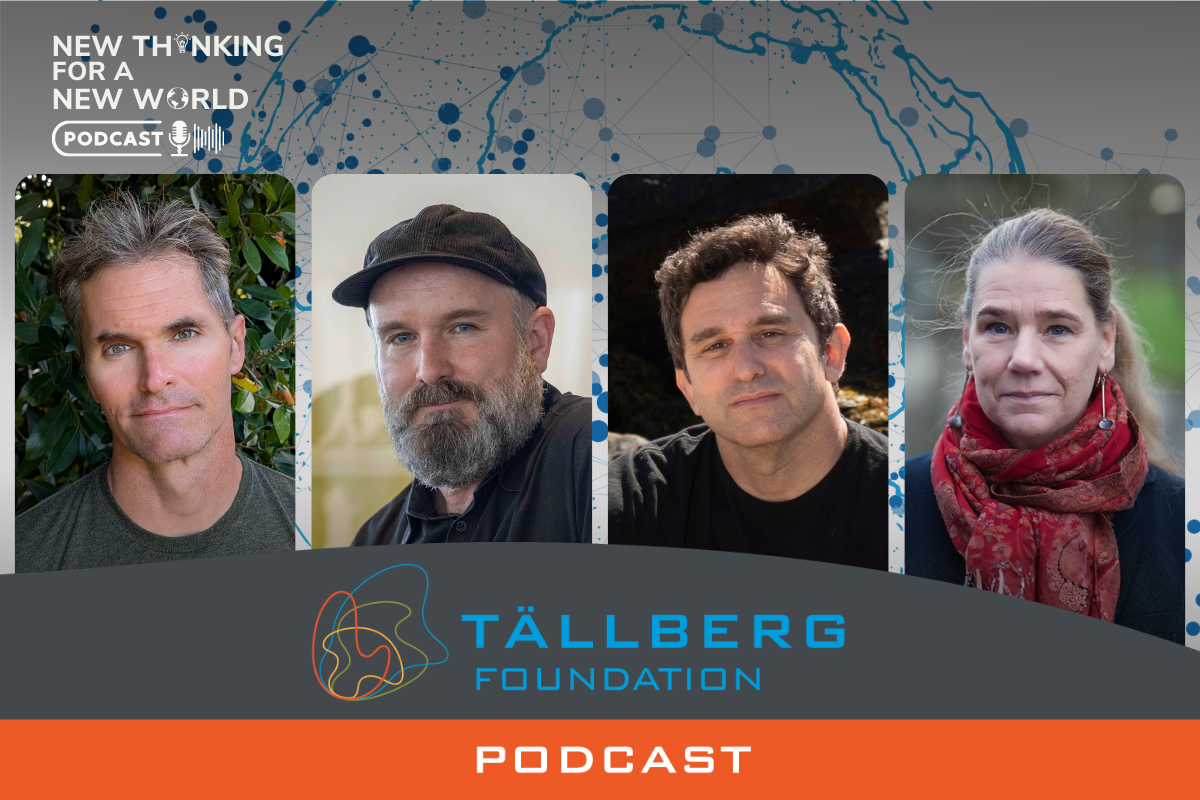
On this episode of New Thinking for a New World, Vishakha Desai, vice chair of the Tällberg Foundation Board of Directors, introduces the three 2025 laureates—Rhett Ayers Butler, founder and CEO of Mongabay; Bryan Doerries, artistic director of Theater of War Productions; and David Gruber, oceanographer, founder and president of Project CETI. Listen as they reflect on how they built their leadership, what they have accomplished, and—most importantly—what they hope to do into the future.
Their work spans environmental journalism, theater and public dialogue, and interspecies communications. What they have in common is a determination to challenge conventional thinking, deep ethical commitment, and a belief that the world can be made a better place if people of good will work together to do so.
These three leaders join the extraordinary cadre who have been honored with the Tällberg-SNF-Eliasson Global Leadership Prize since its inception a decade ago. And the beat goes on: this year’s process, during which 2,058 leaders from 144 countries were nominated. The 2026 Prize Jury will meet soon to select leaders whose courage, creativity, persistence, ethics, and commitment to a global worldview exemplify the kind of leadership the world urgently needs.
You can also find New Thinking for a New World on your preferred platform, including Apple, Spotify, and YouTube.
ABOUT OUR GUESTS
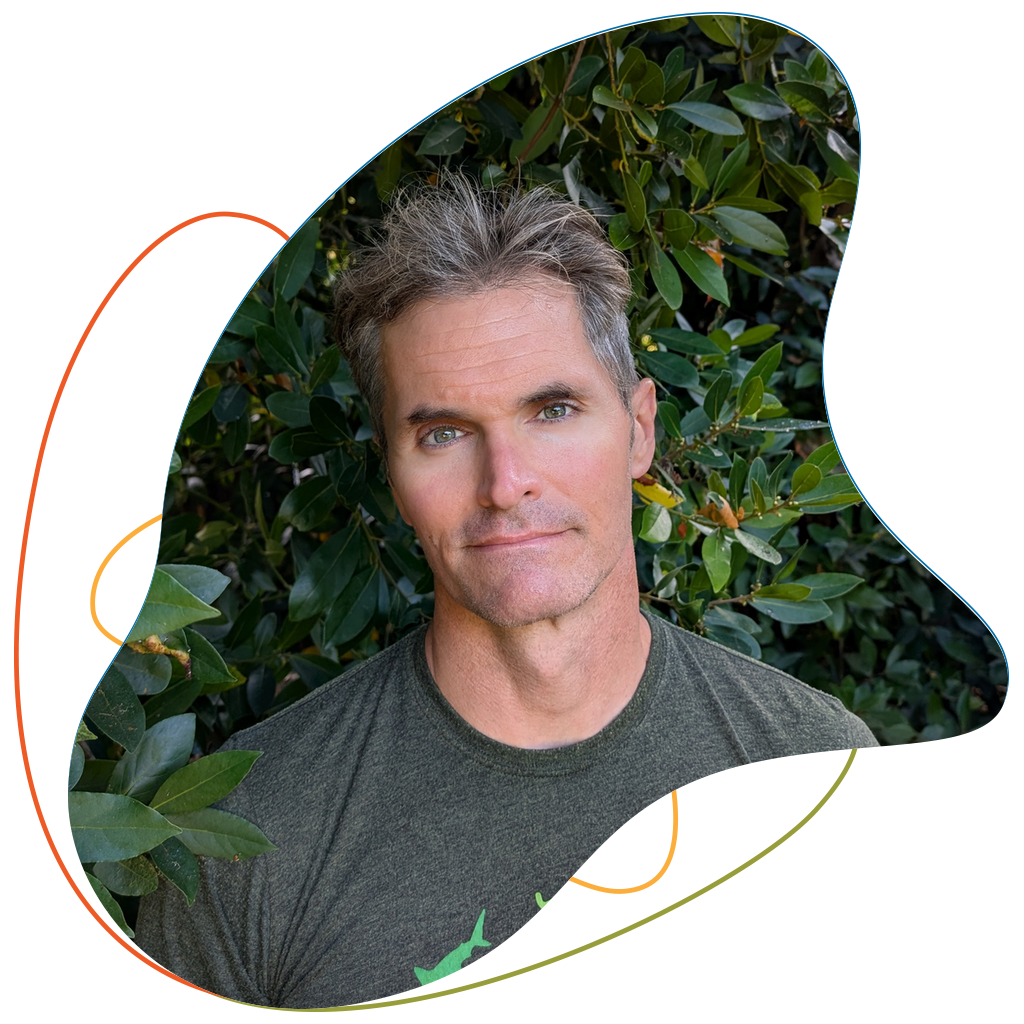 Rhett Ayers Butler is a journalist, conservationist, and founder of Mongabay, a leading global environmental news platform producing original reporting in multiple languages. Under his leadership, Mongabay has grown into one of the world’s most widely read sources on forests, wildlife, oceans, and climate change, reaching tens of millions of readers annually and shaping public debate on biodiversity and conservation.
Rhett’s work bridges investigative journalism, conservation science, and storytelling, amplifying the voices of communities on the frontlines of environmental change. He has spearheaded initiatives to expand environmental journalism in tropical countries by building networks of local reporters and strengthening access to independent, fact-based information. His leadership has been recognized with awards from the Heinz Family Foundation and the Parker-Gentry Award for Conservation.
Born in the United States, Rhett studied economics and biology at the University of California, San Diego, before working across Asia, Africa, and Latin America.
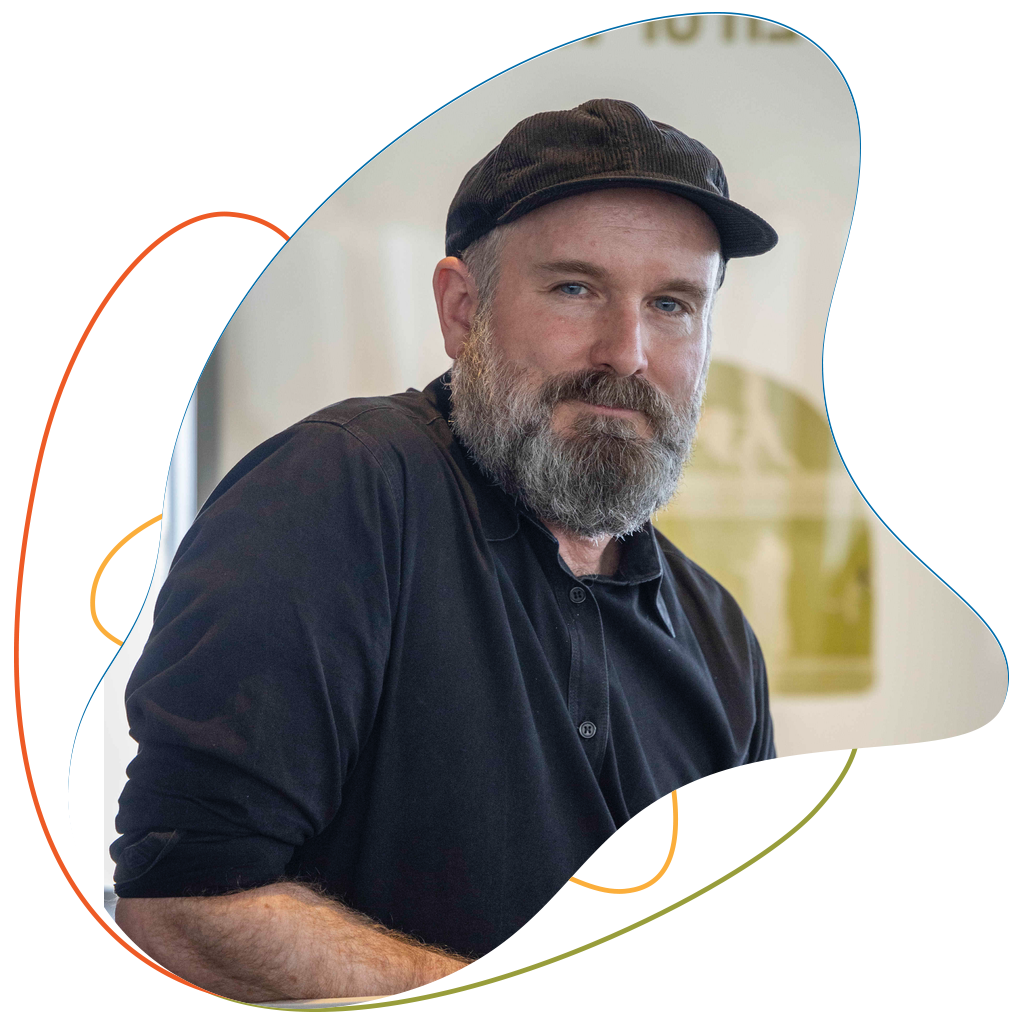 Bryan Doerries is a writer, director, and translator serving as Artistic Director of Theater of War Productions. A self-described evangelist for ancient stories, Doerries uses age-old approaches to help individuals and communities heal from trauma and loss.
Under his leadership, Theater of War Productions has presented projects across the United States and internationally, using dramatic readings of seminal plays and community conversations to confront topics including combat-related psychological injury, end-of-life care, racialized violence, incarceration, gun violence, domestic violence, sexual assault, the refugee crisis, and addiction.
Doerries is the author of several books, including The Theater of War: What Ancient Greek Tragedies Can Teach Us Today and The Odyssey of Sergeant Jack Brennan. Among his honors, he has received an honorary Doctorate of Humane Letters from Kenyon College, was named Public Artist in Residence for the City of New York, and was elected a Hastings Center Fellow.
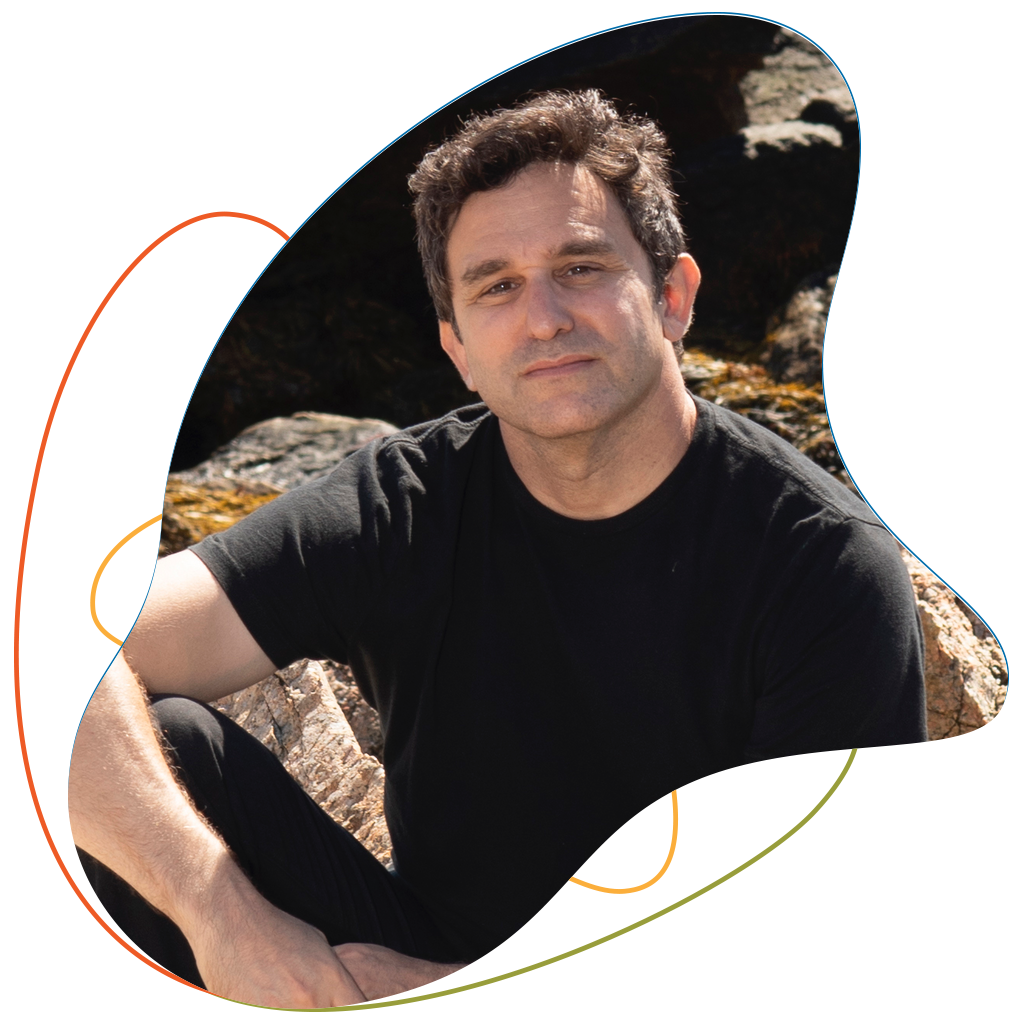 David Gruber is a marine biologist, explorer, and innovator whose work bridges biology, robotics, and artificial intelligence to reveal the hidden lives of ocean creatures. He is the Founder and President of Project CETI (Cetacean Translation Initiative), an effort to decode the communication of sperm whales using advanced machine learning and robotics. He is also a Distinguished Professor of Biology and Environmental Sciences at the City University of New York and a Research Associate at the American Museum of Natural History.
David’s discoveries include the first biofluorescent sea turtle and more than 200 new fluorescent and bioluminescent marine species. Collaborating with engineers at Harvard, he has co-developed soft robotic devices to study fragile ocean life without harm. A National Geographic Explorer and TED Audacious grantee, he has received international recognition including the Lagrange Prize. He is also the author of Aglow in the Dark: The Revolutionary Science of Biofluorescence.



0 Comments