
This year is going to be memorable for all sorts of reasons, most of which already look to be depressing. The biggest offset to that is likely to be a global event that will distract much of the world from dismal headlines about war, climate, and tariffs. On June 11th, the FIFA World Cup kicks off, co-hosted by Canada, Mexico, and the United States.
The first match will be played in Mexico City’s Azteca Stadium between co-host Mexico and South Africa. The final will be played on July 19th, at MetLife Stadium outside New York City. If the past is prelude, many billions of people will watch the 104 matches that comprise this year’s tournament.
Have you ever wondered how such an extravaganza is organized and executed? Today on New Thinking for a New World, we depart from our usual fare to consider the answer. Gabriela Cuevas, an experienced Mexican political leader and friend to the Tällberg Foundation, has the near-impossible task of preparing and producing Mexico’s World Cup experience. But if anyone can do it, Gaby can.
Listen as she shares some of the challenges and opportunities presented by this year’s edition of the World Cup. Then tell us who you think will play in that championship game on July 19th.
***
You can also find the New Thinking for a New World on your preferred platform, including Apple, Spotify, and YouTube.
ABOUT OUR GUEST
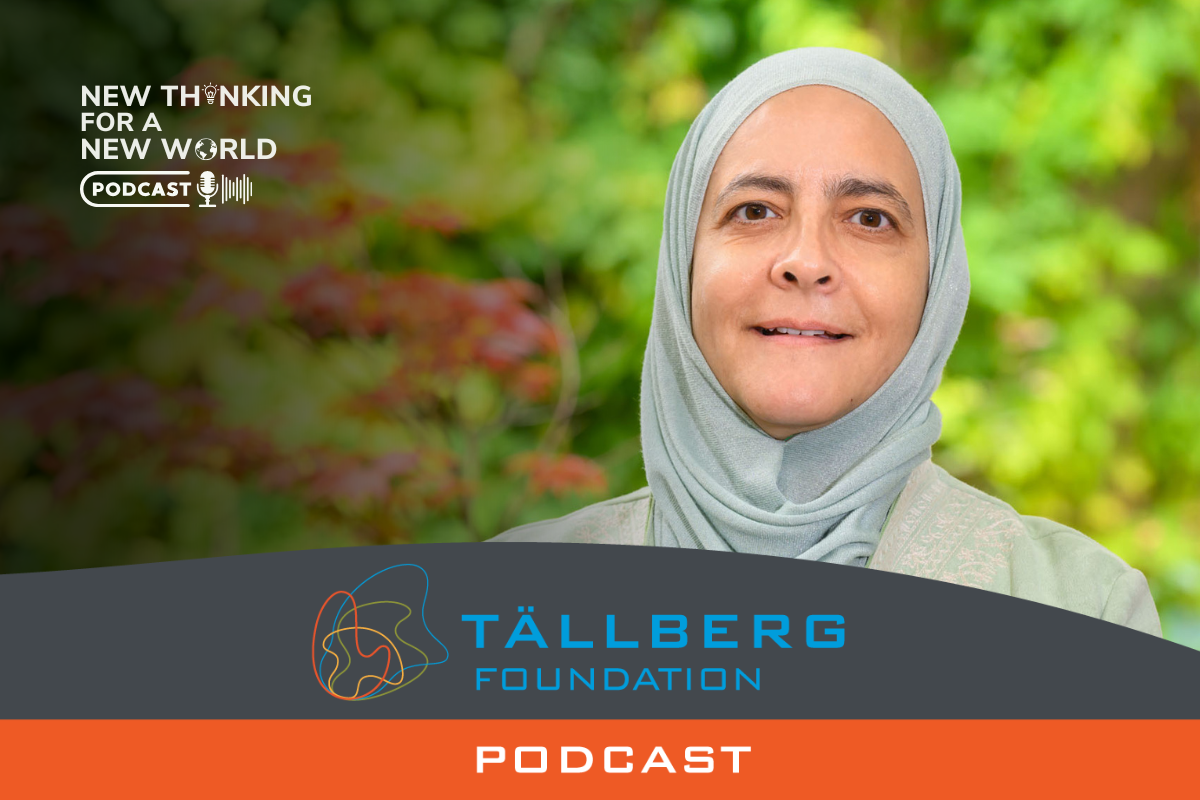
Gabriela Cuevas Barron, Mexico’s Representative for the FIFA World Cup 2026
Gabriela is a Mexican diplomat, public leader, and academic with over 20 years of experience in democratic governance and international affairs. She has held senior roles in Mexico and internationally, including President of the Inter-Parliamentary Union, where she advanced institutional reform, gender parity, and parliamentary diplomacy.
In Mexico, she has served as Senator, Federal Deputy, and a local government leader in Mexico City. She is currently Mexico’s Representative for the FIFA World Cup 2026, with a strong focus on social legacy, community development, and inclusion.
She has taught at international institutions and published in leading academic journals. Gabriela holds a degree in Political Science from ITAM and has received international recognition for her contributions to democratic governance and global dialogue.


0 Comments